

Published on Aug 10th, 2026
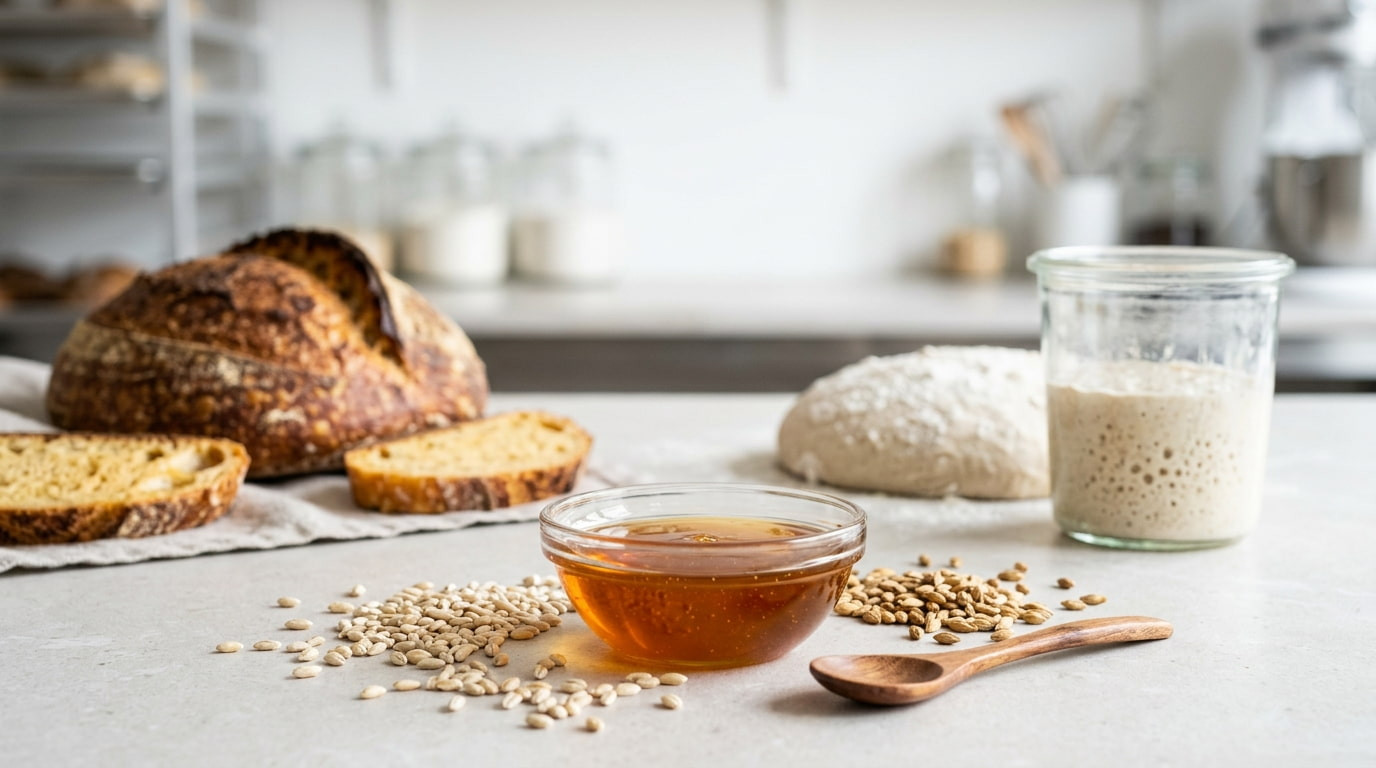
Malt syrup has long been a valuable ingredient in the food and beverage industry. Derived primarily from malted barley, it offers much more than sweetness. From supporting fermentation to enhancing flavor, texture, and color, malt syrup plays a critical role in a wide range of food applications.
As food manufacturers continue to innovate, many are exploring ingredient solutions that deliver functionality alongside consumer appeal. Questions such as what is malt syrup used for, how does malt syrup help fermentation, and malt syrup vs sugar are becoming increasingly common among both manufacturers and consumers.
Understanding how malt syrup works can help explain why it remains an essential ingredient across numerous food processing applications.
One of the most common questions is what is malt syrup used for?
Malt syrup is widely used in baking, brewing, confectionery, breakfast cereals, snack foods, sauces, and beverage production. It contributes a mild, malty sweetness while also improving texture, moisture retention, and color development.
Beyond flavor, what is malt syrup used for also includes its ability to provide fermentable sugars that support yeast activity during food production. This makes it particularly valuable in products that rely on controlled fermentation for quality and consistency.
Its versatility has made malt syrup a preferred ingredient for manufacturers looking to combine functionality with naturally derived ingredients.
To better understand malt syrup, it's important to know what barley malt extract is.
Barley malt extract is produced by germinating barley grains, allowing natural enzymes to develop before carefully drying and processing them into a concentrated extract or syrup. This process converts starches into naturally occurring sugars, creating an ingredient that supports both sweetness and fermentation.
Knowing what barley malt extract is helps explain why it is commonly used in bread, beverages, malted products, and various processed foods. It delivers both flavor and technical functionality, making it a valuable ingredient in modern food manufacturing.
Fermentation is one of the most important stages in producing many baked goods and beverages. Naturally, manufacturers often ask how does malt syrup help fermentation.
Malt syrup contains fermentable sugars that serve as a food source for yeast during fermentation. As yeast consumes these sugars, it produces carbon dioxide and other compounds that contribute to product texture, flavor, and volume.
Understanding how malt syrup helps fermentation also highlights its role in creating consistent fermentation performance. In bread production, for example, proper fermentation contributes to improved loaf volume, crumb structure, and overall product quality.
Because of these functional properties, malt syrup remains an important ingredient across multiple fermentation-based food applications.
When comparing malt syrup vs sugar, it's important to recognize that they serve different purposes in food processing.
While both provide sweetness, malt syrup contributes additional characteristics beyond flavor. It offers a distinctive malt profile, supports moisture retention, assists with browning during baking, and provides fermentable sugars that aid yeast activity.
The discussion around malt syrup vs sugar is not necessarily about choosing one over the other. Instead, manufacturers select ingredients based on the specific performance requirements of each product, including taste, texture, appearance, and processing needs.
This versatility is one reason malt syrup continues to be widely used across numerous food categories.
Many consumers also wonder, why is malt added to bread?
Malt is commonly incorporated into bread formulations because it supports yeast fermentation while enhancing crust color, flavor, and texture. During baking, the natural sugars in malt contribute to attractive browning and a richer taste profile.
Understanding why malt is added to bread also reveals its importance in achieving consistent baking performance. In many formulations, malt helps improve dough handling, supports fermentation, and contributes to the overall quality of the finished loaf.
Whether used in artisan breads or commercial baking, malt remains a valuable ingredient for creating products with desirable texture and appearance.
Today's food manufacturers are looking beyond ingredients that simply add sweetness. They need multifunctional solutions that improve efficiency, product quality, and consumer appeal.
Malt syrup continues to meet these expectations by providing natural sweetness, supporting fermentation, enhancing flavor, and improving product performance across multiple applications. As demand for clean-label and naturally derived ingredients grows, malt-based solutions remain highly relevant in modern food processing.
Whether the goal is understanding what malt syrup is used for, exploring malt syrup vs sugar, or learning how malt syrup helps fermentation, it is clear that malt syrup offers significant value beyond its traditional role as a sweetener.
Selecting the right ingredients is essential for creating high-quality food and beverage products. Whether you're developing bakery products, fermented foods, or specialty formulations, GluCorp offers innovative malt-based ingredient solutions that support performance, consistency, and product quality. Connect with our team to discover how our ingredient expertise can help elevate your next food innovation.
BackBe the first to know about new products, events and offers.