

Published on Jul 23rd, 2026
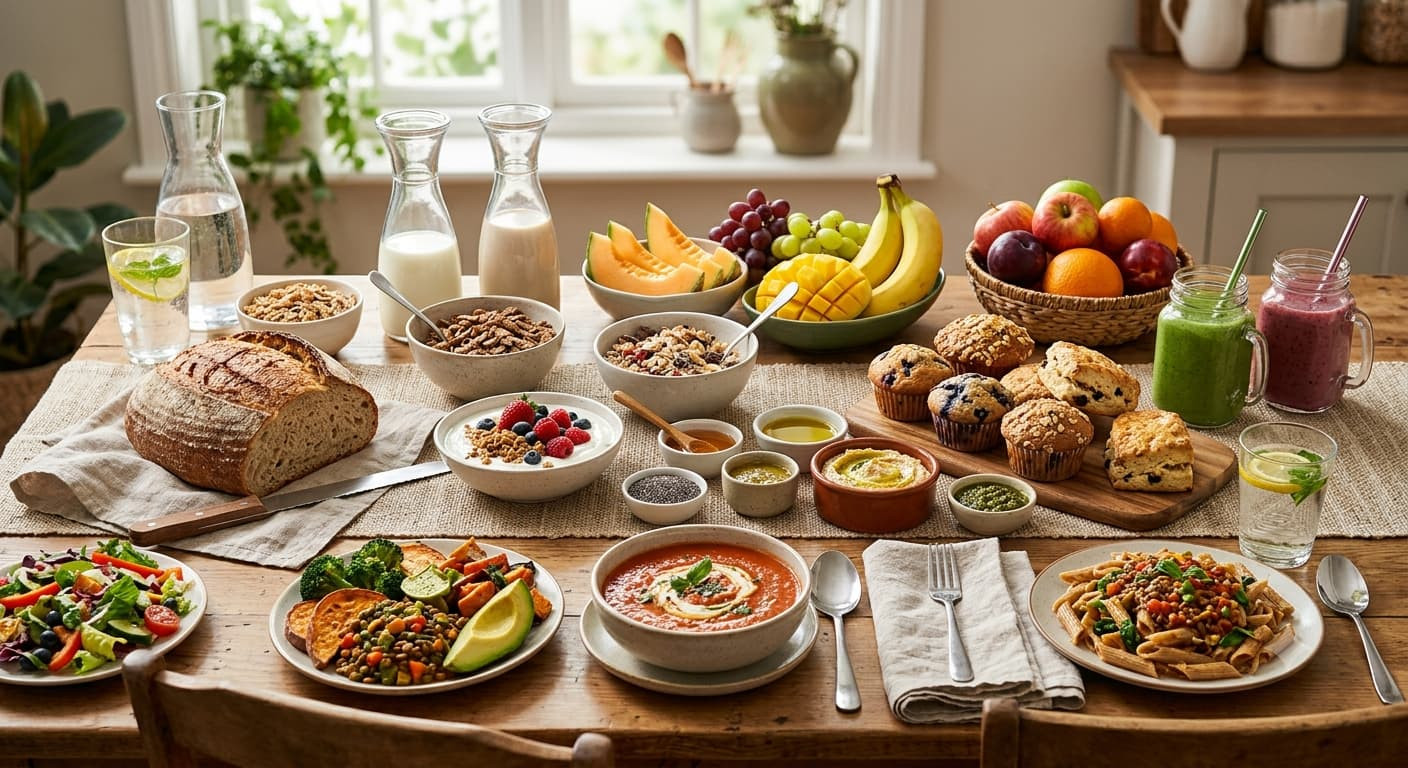
Every food product has a story long before it reaches your plate. From carefully sourced raw materials to ingredient selection, processing, quality testing, and packaging, every step is designed to ensure safety, consistency, and quality.
As consumers become more interested in understanding what's inside their food, questions like what are emulsifiers in food, are food additives safe, and how is processed food made have become increasingly common. Understanding the role of these ingredients helps consumers make informed choices while appreciating the science behind modern food production.
Many people associate processed foods with unhealthy eating, but the reality is much more nuanced. To answer the question, how is processed food made, it's important to understand that processing simply refers to any method used to prepare food before it reaches consumers.
Processing can include washing, freezing, drying, milling, pasteurizing, fermenting, cooking, or blending ingredients to improve safety, shelf life, and convenience. In many cases, processing also helps preserve nutritional quality while ensuring products remain safe to consume.
When asking how processed food is made, it's worth remembering that not all processed foods are the same. Some undergo minimal processing, while others involve multiple ingredients and manufacturing steps to achieve specific textures, flavors, or nutritional profiles.
One of the most frequently misunderstood ingredients is the emulsifier. So, what are emulsifiers in food?
Emulsifiers are ingredients that help combine substances that naturally separate, such as oil and water. They improve texture, stability, and consistency in many everyday food products, including dairy products, sauces, dressings, baked goods, beverages, and plant-based alternatives.
Without emulsifiers, many products would separate during storage or lose their desired texture. Understanding what are emulsifiers in food helps consumers recognize that these ingredients often serve important functional purposes rather than simply acting as unnecessary additives.
Food manufacturers carefully select emulsifiers based on product requirements, regulatory standards, and consumer preferences, particularly as demand for clean-label ingredients continues to grow.
Another common question consumers ask is, are food additives safe?
Food additives are used for many reasons, including improving food safety, maintaining freshness, enhancing texture, preserving color, or ensuring consistent quality throughout a product's shelf life.
Before being approved for use, food additives undergo extensive evaluation by food safety authorities in various countries. Manufacturers must also comply with strict regulations governing ingredient use and labeling.
While consumer preferences continue shifting toward simpler ingredient lists, the answer to the question: are food additives safe is that approved additives are subject to rigorous safety assessments and must meet established regulatory standards before being incorporated into food products.
Preservation plays an essential role in reducing food waste and maintaining product quality. Naturally, many consumers wonder what preservatives are used in food.
Depending on the product, preservatives may include naturally derived ingredients or approved food-grade preservatives that help prevent spoilage caused by bacteria, yeast, or mold. Their purpose is to maintain freshness, extend shelf life, and help ensure food remains safe during transportation and storage.
Understanding what preservatives are used in food also highlights the balance manufacturers must achieve between food safety, product quality, and consumer demand for cleaner labels.
Today, many companies are exploring innovative preservation methods alongside naturally sourced ingredients to meet evolving consumer expectations.
As discussions around nutrition continue to evolve, consumers are also asking how to identify ultra processed foods.
Generally, ultra-processed foods contain multiple industrially processed ingredients and are formulated for convenience, consistency, and extended shelf life. These products often include ingredients not commonly used in home cooking, such as flavor enhancers, colorings, stabilizers, and specialized processing aids.
Learning how to identify ultra processed foods begins with reading ingredient labels, understanding product formulations, and recognizing that the degree of processing can vary widely between products.
It's also important to remember that processing alone does not determine whether a food is nutritious. The overall ingredient quality, nutritional composition, and dietary balance are equally important considerations.
Today's food industry continues to evolve through ingredient innovation, cleaner formulations, and advanced manufacturing technologies. Manufacturers are developing products that meet growing consumer expectations for transparency, quality, sustainability, and nutrition.
Whether consumers are asking what emulsifiers are used in food, wondering if food additives are safe, or trying to understand how processed food is made, education plays a vital role in building trust and promoting informed food choices.
By combining scientific innovation with responsible ingredient sourcing, the food industry can continue creating products that are safe, functional, and aligned with modern consumer preferences.
Creating high-quality food products starts with selecting the right ingredients. Whether you're developing cleaner formulations, exploring innovative ingredient systems, or looking for reliable functional solutions, GluCorp partners with food manufacturers to deliver ingredients that support product quality, consistency, and consumer expectations. Connect with our team to discover ingredient solutions that help bring your next food innovation to life.
BackBe the first to know about new products, events and offers.