

Published on Feb 06th, 2026
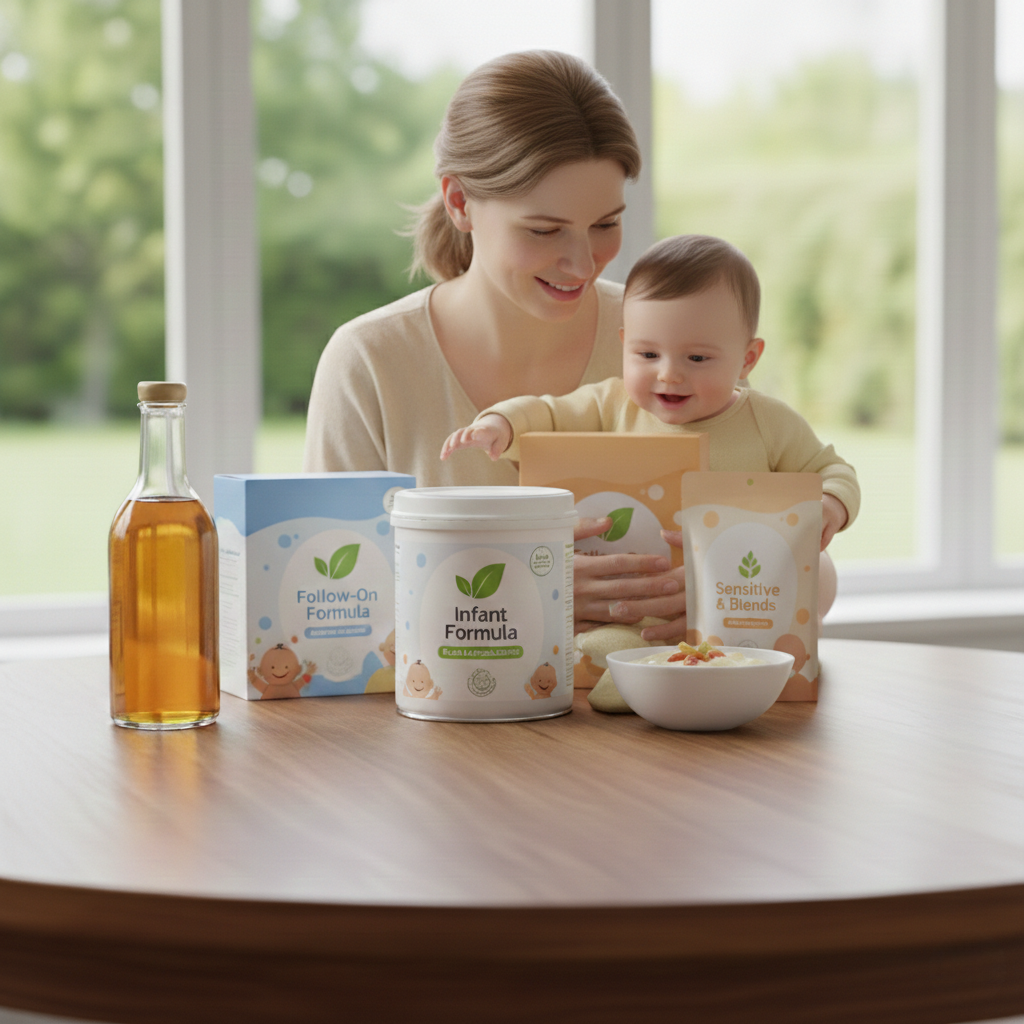
In the infant nutrition sector, ingredient safety, purity, and digestibility are non-negotiable. As global regulatory standards tighten and parents demand cleaner labels, manufacturers are re-evaluating carbohydrate and sweetener sources in baby formulas and pediatric foods. One solution gaining rapid adoption is infant-safe tapioca syrup, a clean, controlled, and scientifically validated carbohydrate source designed specifically for infant applications.
For R&D teams, formulators, and procurement professionals, tapioca syrup offers a reliable, compliant, and performance-driven alternative to traditional sweeteners used in early childhood nutrition.
Tapioca syrup for babies is derived from cassava starch and offers a clean sensory profile with predictable functionality. Its mild sweetness and neutral flavor provide formulators with flexibility, making it suitable for:
Infant formulas
Follow-on formulas
Baby cereals and porridges
Pediatric nutritional beverages
Sensitive or hypoallergenic blends
As a carbohydrate source, it aligns with infant feeding guidelines and gives manufacturers a gentle sweetener option for regulated product categories.
For B2B buyers and product developers, understanding the benefits of tapioca syrup for infants goes beyond sweetness, it’s about safety, digestibility, and regulatory compliance.
Tapioca syrup provides steady-release carbohydrates that support infant digestion and carbohydrates absorption. It avoids digestive discomfort commonly associated with more complex or allergen-prone carbohydrate sources.
Cassava is naturally hypoallergenic, making tapioca syrup suitable for specialty formulas catering to food sensitivities—a key purchasing driver for infant nutrition brands.
As clean-label demand grows, manufacturers look for alternatives to corn syrup solids and refined sugars. Tapioca syrup fits clean-label positioning without compromising performance.
Stable viscosity, clear color, and reliable functional behavior make it ideal for high-precision infant formula processing.
The difference between standard tapioca syrup and infant-grade syrup comes down to advanced processing and safety validation.
Understanding how tapioca syrup is processed for infant formula is critical for procurement and QA teams.
Infant-safe syrup requires:
Controlled enzymatic hydrolysis for optimum carbohydrate structure
Multi-stage filtration and purification
Heavy metal and contaminant screening
Microbiological validation
Organic and non-GMO traceability
Compliance with global infant nutrition standards
Glucorp’s Infant-Safe Tapioca Syrup is engineered specifically for pediatric applications. The syrup is a plant-based, clean-label sweetener derived from 100% organic, non-GMO cassava, offering superior safety and consistency for infant formulations.
Key advantages for buyers include:
Hypoallergenic, gluten-free, and free from heavy metals
Mild flavor profile ideal for sensitive formulations
Consistent functional performance across batches
Produced under strict infant-grade certifications
Reliable bulk supply for large-scale production
Full traceability and documentation support for regulatory compliance
As one of the leading suppliers of natural sweeteners,Glucorp provides a dependable source of infant-safe ingredients that meet stringent global standards.
Partner With Glucorp for Safe, High-Performance Infant Ingredients
BackBe the first to know about new products, events and offers.